
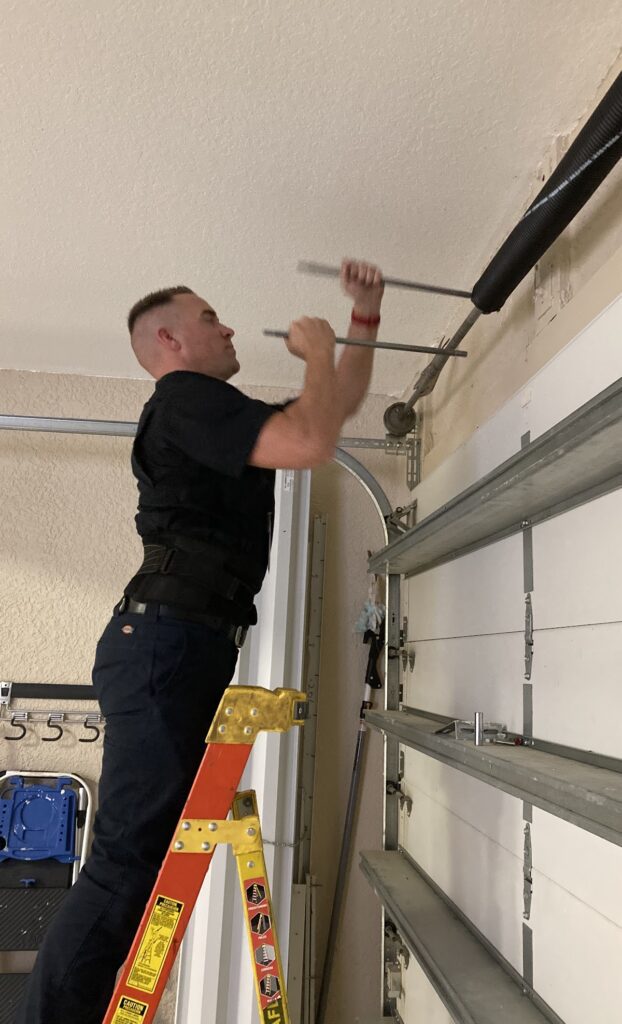
Taking care of your garage door is like routine check-ups at the doctor—it’s essential for keeping things running smoothly. Garage doors are often overlooked until something goes wrong, but maintenance plays a key role in ensuring they function effortlessly. A well-maintained garage door doesn’t just open and close easily; it also keeps your home secure and energy-efficient. One critical component of this system is the garage door spring. These springs are responsible for the heavy lifting, making it easy to open and close the door smoothly. However, when a garage door spring breaks or malfunctions, it can cause a range of problems, from inconvenience to potential safety hazards.
Imagine this: you’re running late for an appointment, and you hit the garage door opener. Instead of the usual smooth lift, you hear a loud bang, and the door barely moves. That sound likely means a broken garage door spring. This scenario is not just frustrating but also potentially dangerous if not addressed properly. Handling garage door spring repair with care is crucial for safety and to prevent further damage. We will explore the important aspects of recognizing when your springs need attention and outline how you can approach this issue safely in your Naples home.
Recognizing the Signs of a Faulty Garage Door Spring
Spotting the early signs of a faulty garage door spring can save you a lot of trouble down the line. Here are some key symptoms you should be on the lookout for:
- Unusual Noises: If you hear loud bangs or popping sounds when operating your garage door, it’s often a sign that a spring is about to break or has already broken.
- Difficulty in Lifting the Door: When springs wear out, they lose their ability to balance the door, making it hard to lift manually or causing the opener to strain.
- Door Falling Rapidly: If your door slams shut instead of gently closing, the spring might not be doing its job of counterbalancing the door’s weight.
- Visible Gaps in the Spring: Check the springs visually for any gaps or visible breaks. A broken spring usually has a clear split or gap.
- Crooked Door: If the garage door appears crooked or is sagging on one side, the springs might be uneven or failing.
Catching these warning signs early can prevent accidents and reduce more extensive repairs later. A garage door’s springs bear a lot of weight and tension, so any signs of distress should be taken seriously.
Safety Precautions Before Starting Repairs
Repairing a garage door spring is no small task and comes with its own set of risks. Due to the high tension these springs are under, they can be dangerous to handle without the right precautions. Here’s what you need to consider before attempting a repair:
1. Wear Safety Gear: Always wear safety goggles and gloves to protect your eyes and hands from potential injuries caused by snapped springs or flying debris.
2. Disconnect the Power: Ensure the garage door opener is unplugged or the circuit breaker is turned off. This step minimizes the risk of electrical accidents.
3. Use the Right Tools: Using the wrong tools can lead to accidents. Make sure you have a proper winding bar and other required tools specific for garage door repair.
4. Clear the Area: Ensure the area around the garage door is free from obstacles and that children and pets are safely out of the way.
5. Never Work Alone: It’s a good idea to have someone around in case you need a second pair of hands or if an emergency arises.
Remember, if the task feels overwhelming or you’re unsure, don’t hesitate to call a professional. Safety is paramount, and handling garage door springs without the proper knowledge and tools can lead to injury. Taking these precautions seriously can save not only time and money but also ensure your personal safety.
The Repair Process Explained
Once you’ve taken the necessary precautions and gathered the right tools, understanding how to tackle garage door spring repair is key. Here’s a straightforward rundown of the process to help you understand what’s involved:
1. Secure the Door: First, ensure the garage door remains closed and secured. Use C-clamps or locking pliers on the tracks just above the bottom rollers. This prevents the door from accidentally opening and keeps it stable.
2. Unwind the Old Springs: Using a winding bar, carefully unwind the broken spring. This step is tricky since the spring is under immense tension. Insert the winding bar entirely before removing the other bar to avoid slipping.
3. Remove the Old Springs: Loosen the screws on the torsion cone and slide the springs off the shaft. If both springs are worn, replace both to ensure even tension and optimal balance.
4. Install the New Springs: Slide the new spring onto the shaft, securing it in place with the torsion cone. Make sure to install the left and right springs correctly as they are mirror images of each other.
5. Wind the New Springs: With a winding bar, wind the new springs to the correct tension. Typically, each spring has a set number of turns specified by the manufacturer for safe operation.
6. Test the Door: Once installed, cautiously lift the door manually to check the balance. A well-adjusted spring means the door should stay open halfway without creeping up or down.
Understanding each step can assist in recognizing when something seems off, but it’s crucial to place safety above all else. If this process feels overwhelming or if any step feels uncertain, reaching out to a garage door expert is always the wise choice.
When to Call a Professional
Knowing when to call in the professionals can save not only your time but ensure safety. While it might be tempting to tackle repairs on your own, certain situations require expert hands:
- Persistent Problems: If the door continues to make noise or behaves unpredictably after your efforts, an experienced technician should take a look.
- Complex Door Systems: Doors with complex mechanisms or multiple springs can be challenging. Professionals have the training to handle these intricate setups safely.
- Lack of Tools or Materials: Missing the necessary tools or having ill-fitting parts can compromise your safety. Pros come well-equipped with quality tools and replacements tailored to your door.
Professionals provide peace of mind that the job is done safely and correctly. Experienced technicians also check for other underlying issues during their visit, increasing the overall lifespan of your door system.
Understanding Garage Door Spring Safety
Prioritizing safety when dealing with garage door springs is paramount. These springs are not just about making the door work effectively; they’re crucial for safety too. Being mindful of potential hazards and aligning with safety tips ensures that your garage door remains a secure, reliable part of your home.
DIY garage door spring repair can lead to mishaps if not approached cautiously. With all the challenges and safety concerns discussed, it’s beneficial to contact trusted professionals who know the ins and outs of safe garage door operations. This approach allows you to reap the benefits of functional and secure garage doors without facing undue risks.
If you’re in Douglaville and want to keep your garage door working safely and smoothly, taking care of any issues early can save you time and stress. Mo Better Garage provides dependable service and reliable support for everything from worn-out springs to unbalanced doors. Learn how we can help with professional garage door spring repair tailored to your needs.